Blog

A great price on a nearly new car is hard to ignore. Then the vehicle history report comes back, or a friend mentions the car sat in floodwater, and the deal suddenly looks a lot less simple. If you have ever wondered whether a flood-damaged car is a bargain or a trap, you are asking exactly the right question.
Drivers in Western North Carolina know how much damage water can do. After major storms, including the flooding that followed Hurricane Helene in 2024, many vehicles across our region were soaked, and some of them eventually reached the used car market, sometimes far from where the water rose. This guide explains the real risks, what a trained eye can spot, how to protect yourself as a buyer, and what to do if your own vehicle has been in a flood.

Getting into a collision is stressful enough on its own. Then comes the part that many drivers dread almost as much as the accident itself: figuring out what repairs will cost and how to work through the insurance process. Whether you're dealing with a minor fender bender or significant structural damage, understanding how estimates work and what drives collision repair costs can make the entire experience far less overwhelming.
At First Aid Collision, we believe that an informed customer is an empowered customer. Our goal is to take as much stress out of the process as possible, and that starts with clear, honest communication about what your repairs involve and why they cost what they do.

Being in a collision is stressful, no matter how minor it seems. Once the adrenaline wears off and you've exchanged insurance information, it's tempting to take a quick look at your bumper, decide the damage "isn't that bad," and move on with your day. But what you can see on the surface of your vehicle after a collision damage inspection is rarely the whole story. Beneath the crumpled metal and scuffed paint, your car may be carrying injuries you simply cannot see without the right training, tools, and a thorough professional auto body assessment.
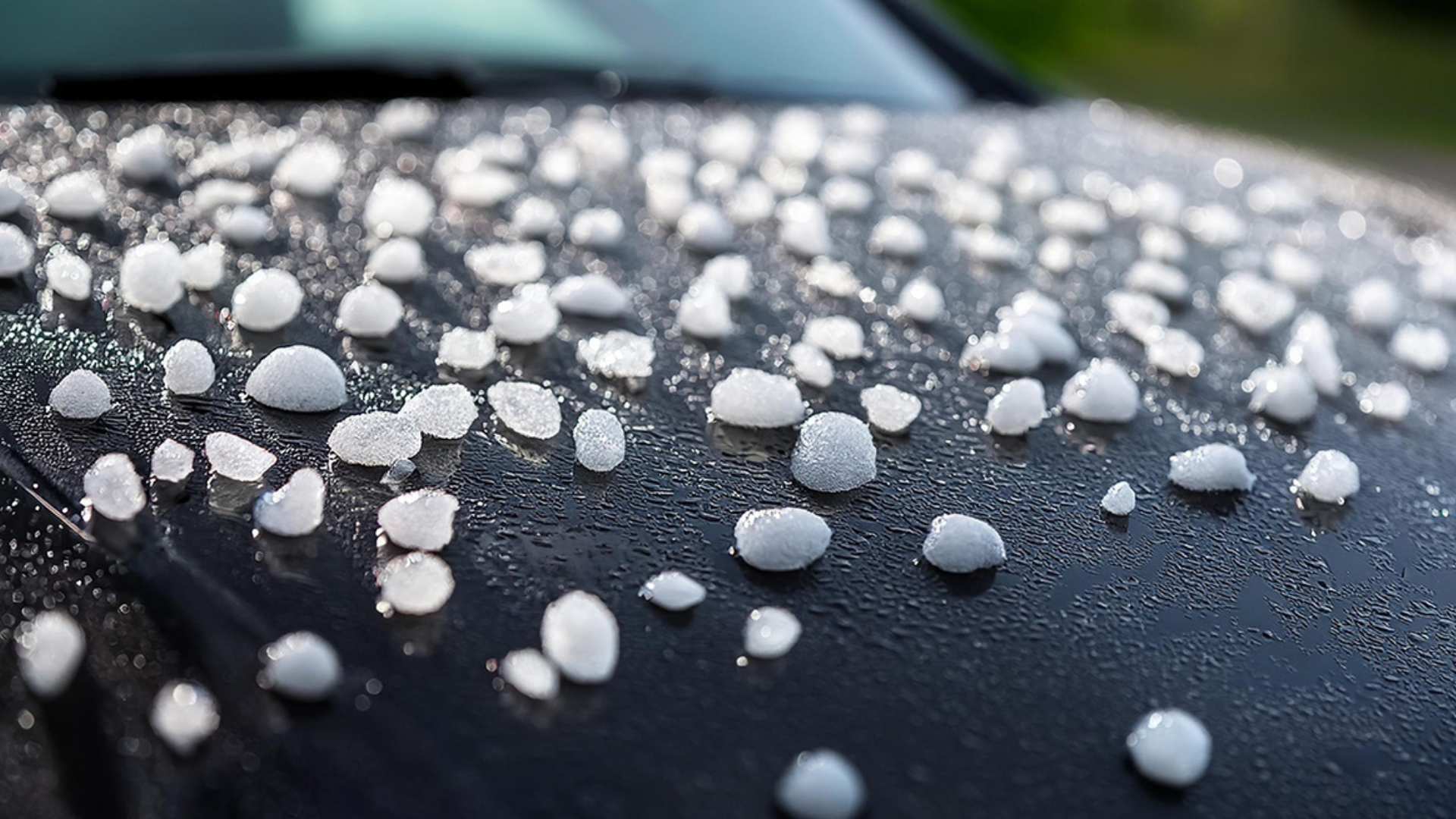
Spring and early summer are prime time for hail across North Carolina. According to the North Carolina State Climate Office, the state sees the most hail reports during the month of May, with thousands of confirmed hail events documented over the decades.
In spring, cold air conditions combined with warm surface temperatures make hail an especially common occurrence in our region. Western North Carolina's higher elevations also play a role. Locations at higher altitudes are closer to the cloud base and freezing level, meaning falling hailstones have less warm air to pass through before reaching the ground. That's why communities in the Asheville area, Henderson County, and Transylvania County regularly experience hail events during spring storm season. In recent years, storms have produced hailstones large enough to cause serious damage to vehicles, homes, and even agricultural crops across the region.
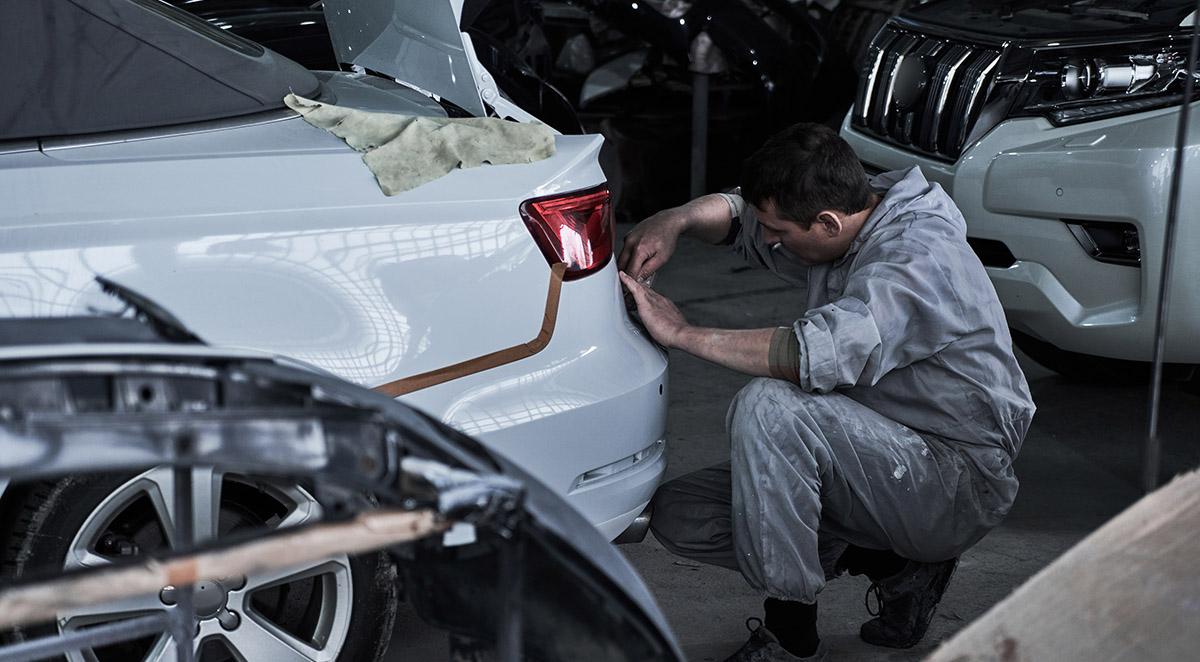
Getting into a vehicle accident is stressful enough without worrying about what happens next. At First Aid Collision, we believe that understanding the collision repair process can significantly reduce anxiety and help you feel more confident about getting your vehicle back on the road. Whether you've been in a minor fender bender or experienced more extensive collision damage, knowing what to expect during auto body repair steps can make the entire experience smoother.