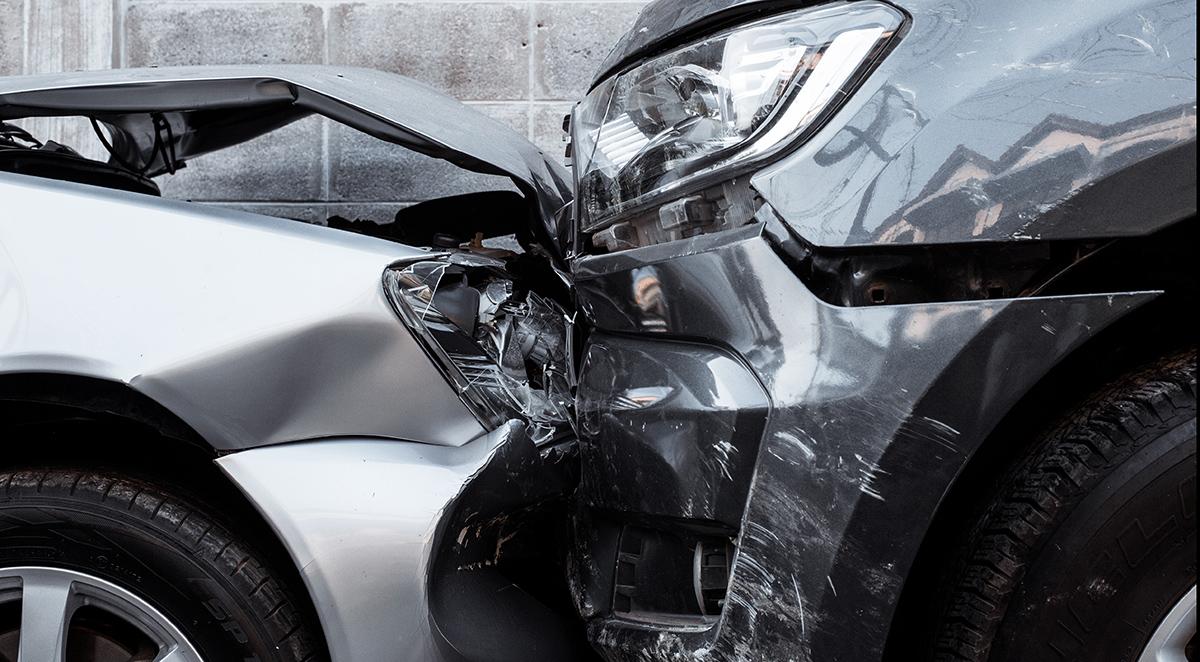
Modern vehicles are engineering marvels, packed with sophisticated technology that makes driving safer, more efficient, and more comfortable than ever before. However, this same technology creates new challenges when it comes to collision repair. Unlike the vehicles of decades past, today's cars and trucks require specialized knowledge, equipment, and training to restore them properly after an accident. Understanding why modern vehicle repair demands such specialized attention can help you make informed decisions about where to take your damaged vehicle for repairs.
The Evolution of Vehicle Technology
The automotive industry has undergone a dramatic transformation over the last two decades. Modern vehicles are no longer simple mechanical machines with straightforward systems. Today's cars and trucks incorporate advanced computer systems, sophisticated sensors, and integrated safety features that work together to protect occupants and optimize performance.
From adaptive cruise control to collision avoidance systems, lane departure warnings to automatic braking, vehicles now rely on intricate networks of electronic components. These systems communicate with each other constantly, adjusting everything from engine performance to suspension settings in real time. When a collision occurs, more than just the visible metal and plastic parts are affected. The underlying technology and its calibration can be compromised, potentially creating safety hazards that aren't immediately visible to the naked eye.
Advanced Structural Materials and Construction
Traditional vehicle bodies were primarily constructed from steel, which is relatively straightforward to repair. Modern vehicles, however, utilize a diverse array of materials designed to maximize safety while minimizing weight. These materials include high-strength steel, aluminum, carbon fiber, and various composite materials.
Each of these materials has different properties and requires different repair techniques. High-strength steel, for example, cannot be repaired using traditional welding methods without risking structural integrity. Aluminum requires specialized welding equipment and techniques that differ significantly from steel repair. Composite materials may need to be replaced entirely rather than repaired, as traditional methods can compromise their structural properties.
This material diversity means that collision repair technicians must understand the properties of each material used in a specific vehicle. A technician who hasn't received proper training in these specialized materials could inadvertently weaken the vehicle's structure during repair, creating safety risks for future occupants.
Computerized Diagnostic Systems
One of the most significant differences between modern collision repair and traditional repair lies in the diagnostic process. Today's vehicles contain dozens of computer modules that manage everything from engine performance to safety systems. When a vehicle experiences a collision, these systems can be affected in ways that aren't obvious during a visual inspection.
Modern technology collision repair requires comprehensive computerized diagnostics to identify all damage, including damage to electronic systems. Specialized diagnostic equipment can communicate with these computer modules to detect fault codes, recalibrate sensors, and ensure that all systems are functioning properly. Without this diagnostic capability, hidden damage could go undetected, leaving safety systems inoperative and potentially putting occupants at risk.
Sensor Calibration and Alignment
Advanced auto body repair in the modern era requires precise sensor calibration. Many of today's safety features depend on multiple sensors working in perfect harmony. These sensors monitor vehicle position, surrounding environment, and movement in three-dimensional space. If even one sensor is slightly misaligned or miscalibrated, safety systems may malfunction or fail entirely.
Collision damage can affect sensor alignment in several ways. Physical damage from impact, panel replacement, or even minor frame adjustments can shift sensors from their precisely calibrated positions. Modern vehicles typically require specialized alignment equipment and trained technicians to recalibrate these sensors after collision repair. This process cannot be completed with traditional body shop equipment and demands specialized technology designed specifically for modern vehicles.
Structural Repair Requirements
The frame or unibody of a modern vehicle is engineered with extreme precision. Computer-aided design and manufacturing have created structures that distribute impact forces in very specific ways to protect occupants. Even slight deviations from original specifications can compromise this protective design.
Advanced technology collision repair requires access to precise specifications for each vehicle model. Technicians must use specialized equipment to measure the damaged structure and compare it to factory specifications. This measurement process involves:
- Three-dimensional laser measuring systems that can detect deviations measured in millimeters
- Computer-aided measuring tools that reference original factory data
- Specialized frame straightening equipment designed for modern materials
- Precise welding and bonding equipment for structural repairs
Traditional frame straightening equipment, while still useful, often cannot provide the precision required for modern vehicles. What might have been an acceptable repair tolerance on a 1990s vehicle could represent a serious structural compromise on a 2020s vehicle.
Safety System Integration
Modern vehicles incorporate integrated safety systems that work together to protect occupants before, during, and after a collision. These systems include adaptive airbags, electronic stability control, automatic braking systems, and numerous other features. When any component of the vehicle is damaged and repaired, these systems may need to be recalibrated or reprogrammed.
Specialized collision repair technicians must understand how these systems interact and what steps are necessary to ensure they function properly after repair. This knowledge goes far beyond traditional body shop expertise and requires manufacturer-specific training and certification.
Paint Technology and Environmental Compliance
Even something as seemingly straightforward as paint has become more complex in modern vehicles. Today's automotive paints often include multiple layers designed to provide durability, UV protection, and environmental resistance. Many modern paints are water-based or use advanced formulations that require specific application techniques and environmental conditions.
Additionally, collision repair shops must comply with environmental regulations regarding paint application and waste management. Specialized equipment and processes ensure that modern paint applications meet both aesthetic and environmental standards. Read our blog about why painting is not a DIY project.
The Cost of Inadequate Repairs
When collision repairs are not performed with the specialized knowledge and equipment that modern vehicles require, the consequences can be serious. Inadequately repaired vehicles may have:
- Safety systems that fail to operate correctly in subsequent accidents
- Structural weaknesses that compromise crash protection
- Electrical and electronic systems that malfunction unpredictably
- Poor paint quality that deteriorates prematurely
- Alignment issues that cause uneven tire wear and handling problems
These issues don't just affect the immediate functionality of the vehicle. They create ongoing safety risks and can result in expensive repairs down the road. A vehicle that has been improperly repaired may also have reduced resale value and could face challenges passing safety inspections.
Manufacturer Training and Certification
Legitimate collision repair facilities invest in ongoing training and certification to stay current with modern vehicle repair requirements. Technicians may pursue certifications from manufacturers, industry organizations, and educational institutions. This specialized training covers:
- The specific repair procedures for each vehicle manufacturer
- Proper use of specialized diagnostic and repair equipment
- Safety protocols and best practices
- Environmental compliance and waste management
- Insurance claim procedures and documentation
Facilities that maintain these certifications demonstrate a commitment to quality and expertise that goes beyond basic body shop capabilities. Read our blog about car insurance after an accident.
Equipment Investment
Providing specialized collision repair requires significant investment in equipment that may cost tens of thousands of dollars. This includes computerized measuring systems, diagnostic equipment, specialized welding and bonding tools, paint mixing and application systems, and calibration devices for safety systems. Only collision repair facilities that are genuinely committed to modern vehicle repair will make these investments, as the equipment is specific to contemporary repair techniques.
Why You Should Care
When your vehicle is damaged in a collision, you have choices about where to take it for repair. Understanding why modern vehicles require specialized collision repair helps you make informed decisions that protect your investment and your safety. A facility that invests in the right equipment and training demonstrates expertise that translates into quality repairs.
Taking your vehicle to a shop without specialized capabilities might seem like a cost-saving measure in the short term. However, the potential consequences—including compromised safety systems, structural weaknesses, and premature failure of repaired components—make it a false economy. Your vehicle represents a significant investment, and the safety of you and your passengers depends on quality collision repairs performed with modern equipment and expertise.
Frequently Asked Questions
What makes modern collision repair different from traditional body shop work?
Modern vehicles contain complex electronic systems, advanced materials, and integrated safety features that require specialized diagnostic equipment and trained technicians. Traditional body shops may not have the capability to address these systems, potentially leaving damage undetected and safety systems compromised.
How do I know if a collision repair facility is equipped for modern vehicles?
Look for facilities that maintain manufacturer certifications, invest in diagnostic and calibration equipment, and employ technicians with specialized training. You can ask about their equipment capabilities and certifications before entrusting your vehicle to their care. Many insurance companies also maintain lists of certified collision repair facilities that meet industry standards.
Can older collision repair techniques still work on new vehicles?
While some basic body work techniques remain relevant, many modern repair requirements cannot be met with traditional equipment and methods. Modern vehicles require computerized diagnostics, sensor calibration, and specialized materials knowledge that goes beyond traditional collision repair capabilities.
Why does sensor calibration matter after a collision?
Safety systems like adaptive cruise control, automatic braking, and lane departure warning systems depend on precisely calibrated sensors. If these sensors are misaligned, even slightly, safety systems may fail to function properly, potentially putting occupants at risk in future driving situations.
How long does specialized collision repair take?
Modern collision repair often takes longer than traditional work because of the additional diagnostic steps, sensor calibration, and verification procedures required. While this may seem inconvenient, the extra time ensures that your vehicle is properly repaired and safe to drive.
Contact Us for Your Collision Repair Needs
When your vehicle needs collision repair, you deserve a facility with the expertise and equipment to handle modern vehicles properly. First Aid Collision maintains the specialized capabilities required for today's advanced automobiles. Our technicians have received specialized training in modern technology collision repair, and we invest in the latest diagnostic and repair equipment to ensure your vehicle is restored to factory specifications.
Contact us today for a free estimate on your collision repair needs, or visit one of our three convenient locations in Arden, Brevard, and Hendersonville, North Carolina.