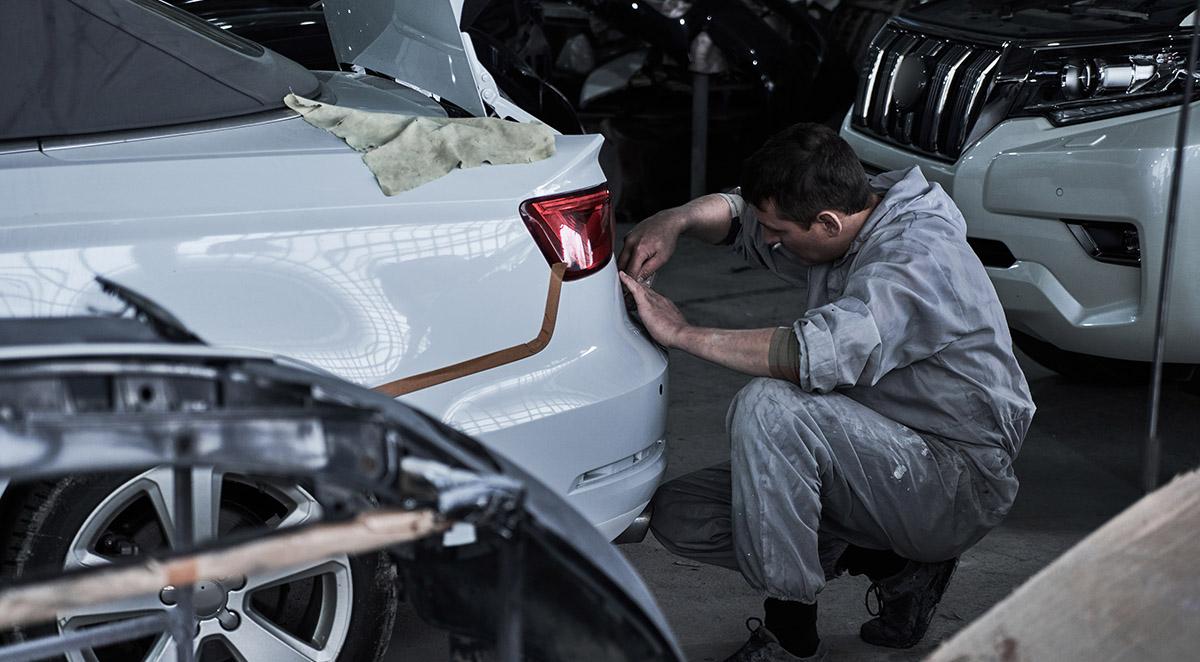
Getting into a vehicle accident is stressful enough without worrying about what happens next. At First Aid Collision, we believe that understanding the collision repair process can significantly reduce anxiety and help you feel more confident about getting your vehicle back on the road. Whether you've been in a minor fender bender or experienced more extensive collision damage, knowing what to expect during auto body repair steps can make the entire experience smoother.
Initial Assessment and Contact
The collision repair process begins the moment you realize your vehicle needs professional attention. Here's what happens during those crucial first steps:
Immediate Steps After an Accident:
- Document the damage with photos from multiple angles
- Contact your insurance company to file a claim
- Choose a repair shop (you have the right to select your preferred facility)
- Schedule an initial inspection appointment
When you contact First Aid Collision, our team will gather basic information about your vehicle and the damage sustained. We'll schedule a convenient time for you to bring your vehicle to one of our locations in Arden, Hendersonville, or Brevard. Remember, in North Carolina, you have the right to choose where to repair your vehicle after a collision—insurance companies cannot require you to use a specific shop.
The Inspection and Estimate Phase
Once your vehicle arrives at our facility, the detailed assessment begins. This is one of the most critical phases of the collision repair process, as it establishes the scope of work needed to restore your vehicle.
What Happens During Inspection:
- Visual Assessment: Our I-CAR Gold certified technicians conduct a thorough examination of all visible damage
- Hidden Damage Check: We look beyond surface-level issues to identify structural problems, frame misalignment, and mechanical damage that may not be immediately apparent
- Documentation: Every detail is photographed and recorded for insurance purposes
- Parts Identification: We determine which components need repair versus replacement
Many collision repair issues aren't immediately visible. For example, what appears to be a simple bumper impact might have caused damage to mounting brackets, sensors, or even frame components. Our experienced estimators use specialized tools and diagnostic equipment to uncover all damage during this phase.
Creating Your Estimate:
After the inspection, we prepare a detailed estimate that includes:
- Labor costs for each repair procedure
- Parts needed (both OEM and aftermarket options when applicable)
- Paint and materials
- Estimated completion timeline
- Total repair costs
This estimate is then submitted to your insurance company if you're filing a claim. At First Aid Collision, we work directly with insurance adjusters to ensure all necessary repairs are authorized and covered according to your policy.
Insurance Authorization
Working with insurance companies is a significant part of the collision repair process. Understanding this phase helps you know what to expect and how long it might take.
The Insurance Review Process:
When your insurance company receives our estimate, their adjuster will review the proposed repairs. Sometimes they agree immediately; other times, they may want to conduct their own inspection or negotiate certain aspects of the repair. Here's what typically happens:
- Claim Assignment: Your insurance company assigns an adjuster to your case
- Estimate Review: The adjuster reviews our assessment and estimate
- Negotiations: If there are discrepancies, we work with the adjuster to reach an agreement
- Authorization: Once approved, you'll receive authorization to proceed with repairs
At First Aid Collision, we handle most of the communication with insurance adjusters on your behalf. We maintain clear lines of communication with all parties to keep everyone informed and ensure the process moves forward efficiently. Our goal is to remove as much stress from this process as possible.
Your Deductible:
Remember that you're responsible for your insurance deductible before coverage begins. We'll clearly explain your financial responsibility upfront so there are no surprises when it's time to pick up your vehicle.
Ordering Parts and Scheduling
Once we receive authorization to proceed, the next phase involves securing the necessary parts and scheduling your repair.
Parts Procurement:
Depending on the extent of damage, we may need to order:
- Body panels (fenders, doors, bumpers)
- Mechanical components
- Glass and windshields
- Electrical sensors and systems
- Paint and finishing materials
The time required to receive parts varies based on several factors, including vehicle make and model, parts availability, and whether you've opted for OEM or aftermarket components. Common parts might arrive within a few days, while specialized components for luxury or uncommon vehicles could take longer.
Scheduling Your Repair:
Once parts are ordered and we have a clear timeline for their arrival, we'll schedule your vehicle for repair. We coordinate with you to ensure the timing works with your rental car coverage and personal schedule.
The Repair Process Begins
When your vehicle enters our repair bay, our I-CAR Gold certified technicians follow a systematic approach to restore it to pre-accident condition.
Disassembly Phase:
The first step in actual repair work involves carefully removing damaged components. This allows technicians to:
- Access hidden damage areas
- Prepare surfaces for repair or replacement
- Evaluate the full extent of structural issues
- Clean and prepare the work area
Structural Repairs:
If your collision caused frame or structural damage, this must be addressed before any cosmetic work begins. Using specialized frame straightening equipment, our technicians restore your vehicle's structural integrity. This ensures your vehicle is safe to drive and that all components align properly.
Body and Fender Repairs:
Depending on the damage severity, body work might include:
- Pulling and reshaping damaged panels
- Replacing unrepairable sections
- Repairing dent damage and scratch removal
- Welding and bonding new components
- Ensuring proper panel alignment
Read our ultimate guide to collision frame repairs.
Paint and Finishing
Auto painting is both an art and a science. Your vehicle's finish does more than make your car look good—it protects the metal underneath from corrosive agents like water and salt.
Our Painting Process:
- Surface Preparation: Damaged areas are sanded, filled, and primed
- Color Matching: We use your vehicle's VIN to mix the exact color and match the paint to your vehicle's current finish
- Masking: Moldings and areas not being painted are carefully protected
- Paint Application: Multiple coats are applied using professional spray equipment
- Clear Coat: A protective clear coat is applied for durability and shine
- Curing: Paint is properly cured in controlled conditions
- Final Buffing: The finish is polished to perfection
It's important to understand that there's no such thing as manufacturer-specific automotive paint sold outside the factory. Paint suppliers like Sherwin Williams and PPG provide paint to both dealerships and professional shops like First Aid Collision. Any repair facility with the correct equipment and expertise can mix the exact color of your vehicle.
Reassembly and Systems Check
After body work and painting are complete, your vehicle enters the reassembly phase. This is where everything comes back together.
Reassembly Steps:
- Installing repaired or replacement body panels
- Reconnecting electrical systems and sensors
- Installing glass, lights, and trim components
- Replacing bumpers and other exterior components
- Checking all mechanical systems affected by the collision
Modern vehicles contain numerous sensors, cameras, and electronic systems that must function correctly for safety. Our technicians ensure all these systems are properly reconnected and calibrated. Read our blog post all about collision repair for modern vehicles.
Quality Control and Final Inspection
Before we call you to pick up your vehicle, it goes through rigorous quality control. At First Aid Collision, we have a dedicated quality control department that verifies all repairs meet our high standards.
Final Inspection Checklist:
- Visual inspection of all repaired areas
- Paint finish quality and color match verification
- Panel alignment and gap consistency
- Operation of all doors, trunk, and hood
- Lighting system functionality
- All electronic systems tested
- Road test to verify proper operation
- Final cleaning and detailing
We stand behind our work with a lifetime warranty on paint and a manufacturer's warranty on parts. If our inspection reveals any issues, we address them immediately rather than delivering a vehicle that doesn't meet our standards.
Vehicle Return and Walkthrough
When your vehicle is ready, we contact you to schedule pickup. This is an important moment in the collision repair process.
What Happens at Pickup:
When you arrive to collect your vehicle, one of our team members will:
- Walk you through all repairs completed
- Show you before-and-after documentation
- Explain warranty coverage
- Answer any questions you have
- Handle final payment (your deductible if applicable)
- Provide all necessary paperwork
Take time during this walkthrough to inspect the repairs yourself. We encourage questions and want you to feel completely satisfied before driving away.
Communication Throughout the Process
One thing that sets First Aid Collision apart is our commitment to keeping you informed every step of the way. Throughout the collision repair process, you can expect:
Regular Updates:
- Status updates as work progresses
- Notification when parts arrive
- Alerts if we discover additional damage
- Timeline adjustments if necessary
- Photos of work in progress (upon request)
We understand that being without your vehicle is inconvenient, which is why we work efficiently while never compromising quality. Our team is always available to answer questions or provide status updates.
Frequently Asked Questions
How long does the collision repair process typically take?
The timeline varies significantly based on damage severity and parts availability. Minor repairs might be completed in a few days, while extensive collision damage requiring frame straightening, multiple panel replacements, and complex paint work could take several weeks. We provide a realistic timeline estimate upfront and keep you updated if circumstances change.
Can I see my vehicle during repairs?
Yes, you're welcome to visit and check on your vehicle's progress. We simply ask that you call ahead to schedule a time so we can ensure someone is available to show you around safely.
What if you find additional damage during repairs?
Hidden damage is common with collision repairs. If we discover issues not included in the original estimate, we immediately contact both you and your insurance company. No additional work is performed without proper authorization.
Do I have to use the parts my insurance company suggests?
You have input into parts decisions. While insurance companies may suggest aftermarket parts to control costs, you can discuss OEM options with us. We'll explain the differences and help you make an informed decision.
Will my vehicle be safe after collision repairs?
Absolutely. Our I-CAR Gold certification means our technicians are trained in the latest repair procedures and safety standards. We follow manufacturer specifications for all structural repairs to ensure your vehicle is as safe as it was before the accident.
Conclusion
Understanding what to expect during the collision repair process helps reduce anxiety and ensures you're prepared for each phase. At First Aid Collision, we combine technical expertise with transparent communication to deliver exceptional results. From the initial inspection through final delivery, our team treats every vehicle as if it were our own.
Whether you're dealing with minor scratch removal or extensive collision repair, you can count on our I-CAR Gold certified technicians to restore your vehicle properly. Contact us today at any of our three locations (Arden, Hendersonville, or Brevard) to schedule your collision repair estimate.