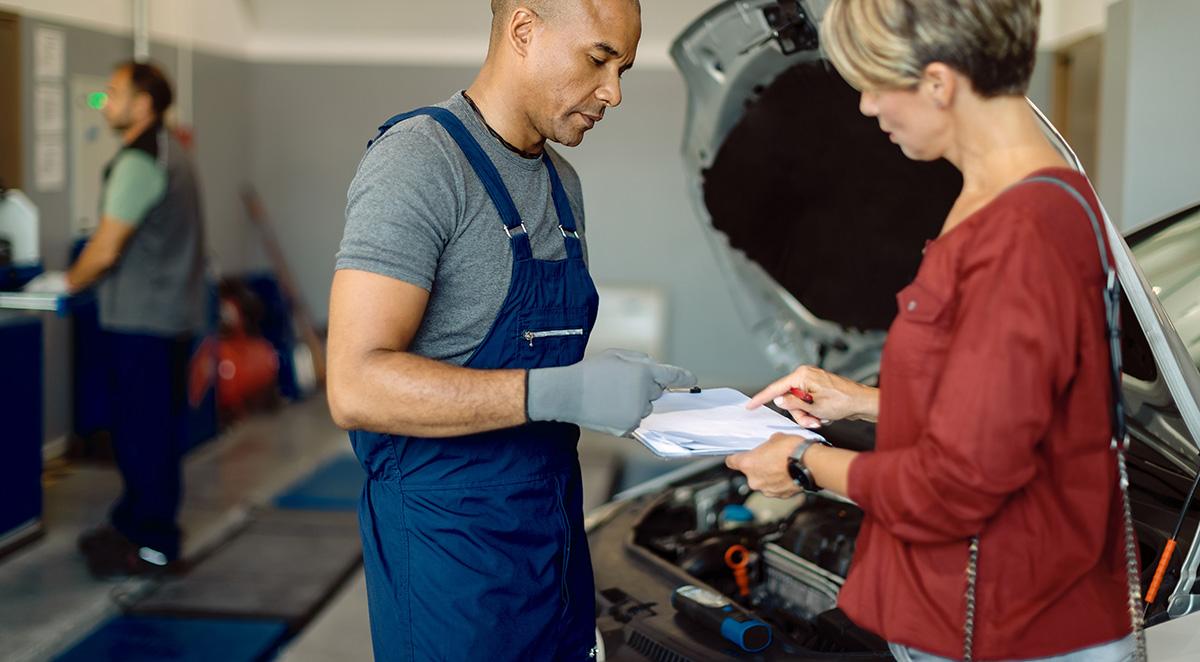
Getting into a collision is stressful enough on its own. Then comes the part that many drivers dread almost as much as the accident itself: figuring out what repairs will cost and how to work through the insurance process. Whether you're dealing with a minor fender bender or significant structural damage, understanding how estimates work and what drives collision repair costs can make the entire experience far less overwhelming.
At First Aid Collision, we believe that an informed customer is an empowered customer. Our goal is to take as much stress out of the process as possible, and that starts with clear, honest communication about what your repairs involve and why they cost what they do.
Quick Summary
- Collision repair costs vary widely based on damage type, vehicle make/model, and required parts
- A professional auto body estimate accounts for visible and hidden damage
- Insurance claim repair processes involve several steps, including adjuster authorization
- Choosing a quality shop protects your vehicle's value and your safety long-term
- First Aid Collision offers free estimates and works directly with your insurance adjuster
What Factors Determine Collision Repair Cost?
Repair costs depend on a wide range of variables, and no two jobs are exactly alike. Understanding those variables helps you make sense of your estimate and feel confident that what you're being charged is fair.
The Type and Extent of Damage
Surface-level cosmetic damage, like paint chips, minor scratches, or small dents, sits on one end of the cost spectrum. On the other end, you have structural repairs involving frame straightening, panel replacement, or damage that affects how the vehicle drives and handles. The deeper the damage, the more labor-intensive and material-heavy the repair.
One thing many drivers don't realize is that what's visible on the surface often doesn't tell the full story. Our team at First Aid Collision conducts a thorough evaluation once your vehicle is on-site, checking for damage behind the panels and beneath the surface that can also affect how your vehicle performs. Addressing that hidden damage upfront is far less expensive than catching it after the fact.
Your Vehicle's Make and Model
Parts pricing is directly tied to your vehicle's make, model, and year. A replacement bumper for a domestic pickup truck will cost differently than one for a luxury import. Labor times also vary depending on how vehicles are engineered. Some designs require significantly more disassembly to reach the damaged components.
Parts: OEM, Aftermarket, and Recycled
One of the most significant cost variables in any auto body estimate is parts selection. There are three general categories:
- OEM (Original Equipment Manufacturer) parts: Made by or for the vehicle's manufacturer to original specifications
- Aftermarket parts: Produced by third-party manufacturers, often at a lower cost
- Recycled/used parts: Pulled from salvage vehicles in good working condition
Your insurance policy may specify which types of parts it will cover, and your shop will work within those parameters. At First Aid Collision, we use quality parts and stand behind every job we take on, backed by a manufacturer's warranty on parts and a lifetime warranty on paint.
Paint and Finishing Work
Auto painting is often a significant portion of any collision repair bill. Proper color matching, preparation, and application are skilled processes that require professional equipment and expertise. Our shop uses paint suppliers like Sherwin Williams and PPG, the same suppliers used by dealerships. Any repair facility with the right equipment and know-how can mix your vehicle's exact color based on your unique VIN. Cutting corners on paint quality or preparation leads to peeling, mismatched colors, and a finish that won't hold up to Western North Carolina's weather conditions. Learn more about our auto painting services and why professional application matters.
How the Auto Body Estimate Process Works
A thorough auto body estimate is the foundation of any honest repair relationship. Here's what that process typically looks like at a reputable shop.
Step 1: Initial Inspection
When you bring your vehicle in, a trained estimator will walk through the visible damage with you. At First Aid Collision, we offer free estimates and encourage you to ask questions throughout the process. This is your opportunity to understand what you're looking at before any work begins.
Step 2: Damage Assessment
Once the vehicle is in the shop and disassembly begins, technicians can identify any secondary or hidden damage. It's common for a fender bender to conceal damage to mounting brackets, frame components, or safety systems underneath. This is why final estimates can sometimes change from the initial walkthrough. A reputable shop will communicate those findings clearly and get authorization before proceeding.
Step 3: Parts and Labor Estimate
The estimator documents all necessary repairs, identifies parts requirements, and calculates labor hours. This written estimate is what gets submitted to your insurance company for authorization.
Step 4: Review and Authorization
You'll review the estimate before any work begins. If insurance is involved, the shop will coordinate directly with your adjuster to get the repairs authorized. Our team at First Aid Collision works hard to maintain clear lines of communication with all parties throughout this step so nothing falls through the cracks.
Read our blog about finding the right shop for luxury car repair here.
Navigating the Insurance Claim Repair Process
Filing an insurance claim after a collision can feel like navigating a maze. Understanding the key steps makes it far less intimidating.
Filing Your Claim
Contact your insurance company as soon as possible after an accident. They'll open a claim and typically assign an adjuster who is responsible for evaluating the damage and approving repair costs. You have the right to choose your own repair shop, regardless of what your insurer suggests. Learn more about your right to choose us for your repairs.
Working With the Adjuster
The adjuster may conduct their own inspection, either in person or through photos you submit. Their assessment becomes the baseline for what the insurance company is willing to pay. If the shop's estimate differs from the adjuster's figure, the shop and insurer negotiate what's called a "supplement" to cover the difference when additional damage is discovered.
What Insurance Typically Covers
Coverage depends on your specific policy, but collision insurance generally covers:
- Structural and panel repairs
- Parts replacement (subject to OEM vs. aftermarket guidelines in your policy)
- Labor costs
- Rental car expenses (if included in your policy)
It does not typically cover regular wear and tear, pre-existing damage, or upgrades beyond restoring the vehicle to its pre-accident condition.
Your Deductible
Your deductible is the amount you pay out of pocket before insurance kicks in. If repair costs are close to your deductible, it may make more financial sense to pay out of pocket rather than file a claim that could affect your premium. That's a judgment call worth discussing with your agent.
Why Quality Repairs Matter Beyond the Price Tag
It can be tempting to choose the lowest estimate, especially if you're paying a deductible or covering repairs out of pocket. But the collision repair cost you see upfront doesn't always reflect the total cost of a poor-quality repair down the road.
Substandard repairs can lead to:
- Paint that peels or fades unevenly
- Body panels that don't align properly
- Hidden structural issues that affect how the vehicle handles
- Diminished resale value
At First Aid Collision, we have a dedicated quality control department that verifies all repairs meet our high standards before your vehicle leaves the shop. We've been serving more than 25 auto dealers in the Western North Carolina region for over a decade, and that reputation means everything to us. You can read what our customers have to say on our reviews page.
For a deeper look at what happens during the repair process from start to finish, check out our blog on what to expect during the collision repair process.
Frequently Asked Questions
How long does a collision repair typically take?
The timeline depends on the extent of the damage and parts availability. Minor repairs may take a few days, while more involved jobs can take a week or longer. We work to keep timelines as efficient as possible and coordinate directly with rental car companies to minimize the disruption to your routine.
Can I get a repair estimate before filing an insurance claim?
Yes. In fact, it's a good idea to understand what the repairs will involve before you decide whether to file. First Aid Collision offers free estimates with no obligation. Contact us to schedule yours.
Does my insurance company have to approve my choice of repair shop?
No. In North Carolina, you have the legal right to choose the shop that repairs your vehicle. Your insurance company may recommend preferred shops, but the final decision is yours.
What if the repair estimate is higher than what the insurance company approves?
This happens regularly, especially when hidden damage is uncovered during repairs. A good shop will work directly with your insurer to negotiate a supplement that covers the actual cost of necessary repairs.
What warranties do you offer on repairs?
First Aid Collision stands behind its work with a lifetime warranty on paint and a manufacturer's warranty on parts.
Understanding Costs Empowers Better Decisions
From free estimates to working directly with your insurance adjuster, we're here to make sure your vehicle is restored properly and that you feel confident every step of the way. Serving Asheville, Hendersonville, Brevard, and the surrounding Western North Carolina area, we're your local partner for professional, transparent collision repair. Reach out to our team whenever you're ready to get started.