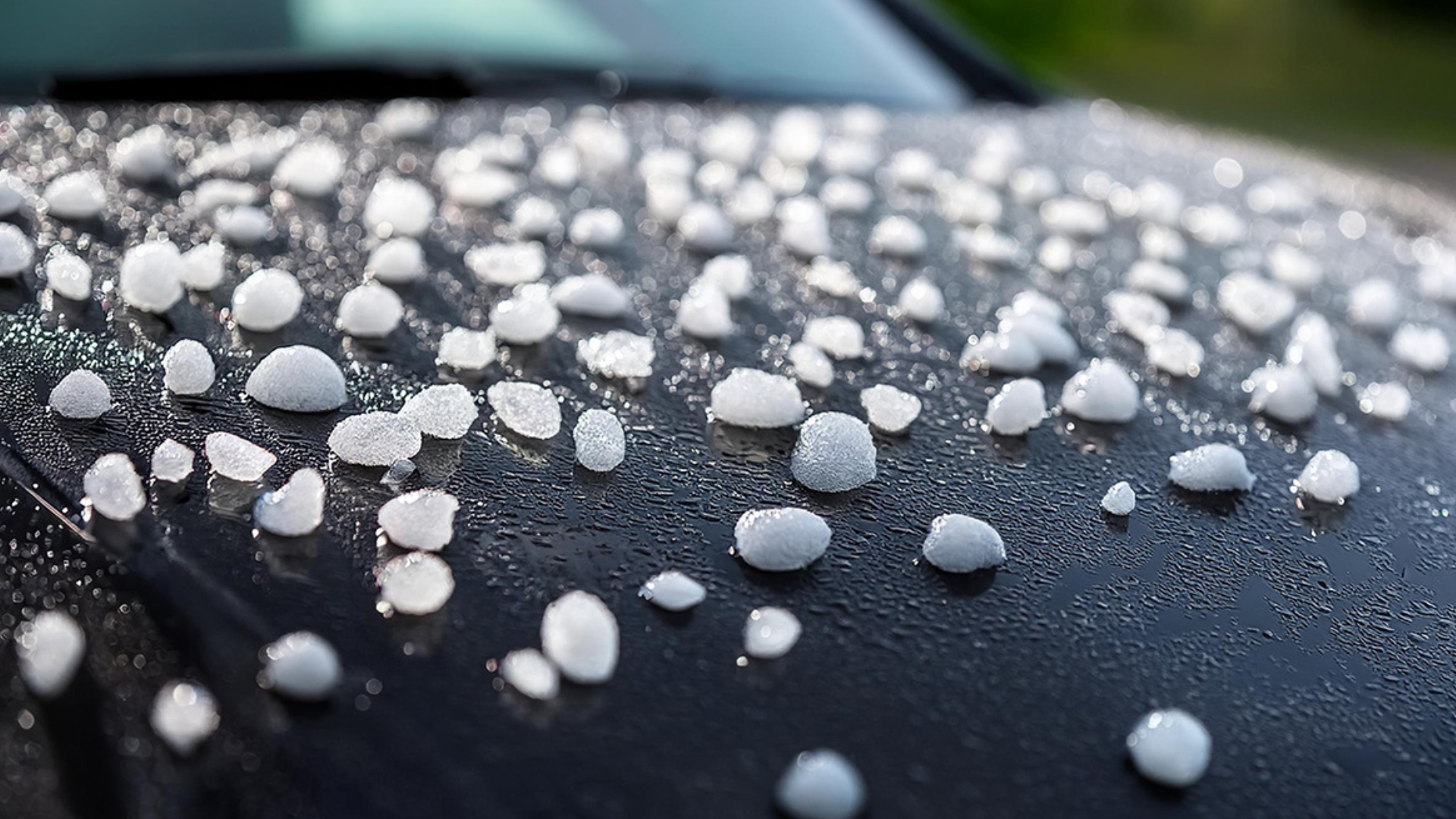
Spring and early summer are prime time for hail across North Carolina. According to the North Carolina State Climate Office, the state sees the most hail reports during the month of May, with thousands of confirmed hail events documented over the decades.
In spring, cold air conditions combined with warm surface temperatures make hail an especially common occurrence in our region. Western North Carolina's higher elevations also play a role. Locations at higher altitudes are closer to the cloud base and freezing level, meaning falling hailstones have less warm air to pass through before reaching the ground. That's why communities in the Asheville area, Henderson County, and Transylvania County regularly experience hail events during spring storm season. In recent years, storms have produced hailstones large enough to cause serious damage to vehicles, homes, and even agricultural crops across the region.
How Hail Damages Your Vehicle
Even relatively small hailstones can do more damage than you might expect. When ice strikes your vehicle at high speed, it can create a range of problems that affect both the appearance and structural integrity of your car or truck.
Common types of hail damage include:
- Dents and dings across the hood, roof, trunk, and door panels
- Cracked or shattered windshields and side windows
- Chipped or flaked paint, which exposes the metal beneath to moisture and corrosion
- Damaged side mirrors and exterior trim pieces
- Compromised body panel integrity that may affect how panels fit and seal
It's important to understand that hail damage isn't always just cosmetic. When paint is chipped or cracked, it exposes the bare metal underneath to water, salt, and other corrosive agents. Over time, this can lead to more extensive and expensive problems. As the team at First Aid Collision often advises, addressing even seemingly minor damage early helps save you time, money, and stress down the road. It’s important to address hail damage quickly.
How to Protect Your Vehicle Before a Hailstorm
Spring vehicle protection starts with preparation. While you can't prevent a hailstorm, you can take practical steps to minimize the damage your vehicle sustains. Here's how to get ahead of severe weather.
1. Park in a Covered or Sheltered Area
The single most effective way to protect your vehicle from hail is to keep it under cover. If you have access to a garage, carport, or covered parking structure, use it when storms are in the forecast. Even parking under a dense tree canopy can provide some level of protection from smaller hailstones, though be mindful of the risk of falling branches during high winds.
2. Monitor Weather Forecasts Closely
Western North Carolina weather can change rapidly, particularly in the spring. Get in the habit of checking local forecasts daily and pay attention to severe thunderstorm watches and warnings issued by the National Weather Service. Many smartphone weather apps can send push notifications when severe weather is approaching your specific area, giving you valuable time to move your vehicle to safety.
3. Keep a Protective Cover or Blankets Handy
If covered parking isn't available, having a padded car cover or even thick moving blankets in your trunk can provide a layer of protection in a pinch. Purpose-built hail protection covers are available and designed to absorb the impact of falling ice. While they won't stop the largest hailstones from causing damage, they can significantly reduce the severity.
4. Stay Aware of Seasonal Risk
Hail is most common in Western North Carolina from late March through June. During these months, afternoon and evening thunderstorms can develop quickly, especially on warm, humid days. Keeping your vehicle garaged or under cover during peak storm hours reduces your risk considerably.
5. Consider Your Parking Choices Carefully
When you're out running errands or at work, look for parking garages or covered areas rather than open lots. If no covered options exist, try to park next to larger buildings or structures that may offer some wind-side protection from blowing hail.
Quick Reference: Your Spring Vehicle Protection Checklist
- Park under cover whenever possible during storm season
- Download a reliable weather app with severe storm alerts
- Keep a padded car cover or thick blankets in your vehicle
- Review your auto insurance policy to confirm comprehensive coverage
- Identify covered parking options near your home, work, and frequent stops
- Inspect your vehicle regularly for existing paint chips or scratches that could worsen
- If a storm hits while driving, pull over safely under an overpass or covered area
What to Do After Your Vehicle Sustains Hail Damage
Even with the best preparation, sometimes hail damage is unavoidable. If your vehicle has been caught in a hailstorm, here's a step-by-step guide to handling the situation effectively.
Step 1: Document the Damage Thoroughly
Before touching anything, take detailed photos and videos of all the damage to your vehicle. Capture close-up shots of individual dents, cracks in the windshield, paint chips, and any other visible issues. Also photograph the overall condition of the vehicle from multiple angles. This documentation will be important when filing an insurance claim and working with your auto body shop.
Step 2: Contact Your Insurance Company
Most comprehensive auto insurance policies cover hail damage. Contact your insurance provider as soon as possible to begin the claims process. Have your documentation ready, including photos, the date and approximate time of the storm, and your vehicle's location when the damage occurred. Your adjuster will typically want to inspect the damage or review your documentation before authorizing repairs.
Step 3: Don't Delay Repairs
It's tempting to put off hail damage repair, especially when the dents seem minor. However, waiting can lead to bigger problems. Chipped and cracked paint exposes the metal body of your vehicle to moisture and environmental elements. Once corrosion begins, it can spread beneath the paint and lead to much more expensive repairs. Getting storm damage addressed promptly protects both the value and the longevity of your vehicle.
Step 4: Choose a Qualified Auto Body Shop
Not all body shops have the experience or equipment to properly handle hail damage repair. Look for a shop with certified technicians, a track record of quality work, and experience working directly with insurance companies. First Aid Collision is I-CAR Gold Certified and has more than 10 years of experience servicing vehicles throughout Western North Carolina. Our team works directly with your insurance adjuster to get repairs authorized and your vehicle back in motion as smoothly as possible.
Step 5: Get a Professional Estimate
Before committing to any repairs, get a thorough estimate from a trusted storm damage auto body shop. A proper evaluation should go beyond the visible surface damage. It's common for hail-damaged vehicles to have additional issues behind what's immediately visible. At First Aid Collision, we offer free estimates and conduct a detailed assessment to make sure nothing is missed.
What to Expect During the Hail Damage Repair Process
If you've never dealt with hail damage repair before, understanding the process can help put your mind at ease. Here's a general overview of what to expect when you bring your vehicle to a professional auto body shop.
The repair process typically begins with a thorough evaluation of all the damage, including areas that may not be visible at first glance. Your technicians will document every dent, scratch, paint chip, and any structural concerns. From there, a detailed repair plan is created and coordinated with your insurance company.
Depending on the severity of the damage, repairs may involve paintless dent repair for minor dents, traditional body work and repainting for more significant damage, or windshield replacement if your glass was cracked or shattered. At First Aid Collision, our technicians use high-quality materials and the best tools and paints on the market. We also have a dedicated quality control department that verifies all repairs are performed to the highest standards before your vehicle is returned to you.
We stand behind our work with a lifetime warranty on paint and a manufacturer's warranty on parts, giving you peace of mind long after the storm has passed.
Read our blog about finding the right shop for luxury car repair here.
Why You Shouldn't Ignore "Minor" Hail Damage
Many vehicle owners assume that small dents and dings from hail are purely cosmetic and can be safely ignored. This is a common and costly mistake. Even small impacts can crack the clear coat and paint layers, creating openings where moisture seeps in and begins to corrode the metal underneath.
Once that process starts, it doesn't stop on its own. What could have been a simple and affordable repair turns into a much larger and more expensive project. Beyond the structural risks, unrepaired hail damage also affects your vehicle's resale value. Potential buyers and dealerships will factor visible damage into their offers, sometimes reducing the value by thousands of dollars.
Frequently Asked Questions
Does insurance cover hail damage to my vehicle?
In most cases, yes. Hail damage is typically covered under the comprehensive portion of your auto insurance policy. This is separate from collision coverage and is specifically designed to cover damage from events like severe weather, falling objects, and natural disasters. Contact your insurance provider to verify your specific coverage and deductible.
How long does hail damage repair usually take?
The timeline depends on the severity of the damage. Minor dent repair may be completed in a few days, while more extensive body work, painting, and windshield replacement can take longer. At First Aid Collision, we work to complete repairs in a short time frame and maintain clear communication throughout the process so you know what to expect.
Can small hail dents really cause long-term damage?
Absolutely. Even small dents can crack paint and clear coat, exposing metal to moisture and leading to corrosion over time. What starts as a minor cosmetic issue can develop into a significant structural problem if left unaddressed. Getting a professional evaluation after any hailstorm is always a smart move.
Should I get a hail damage estimate even if the damage looks minor?
Yes. It's always a good idea to have a professional inspect your vehicle after a hailstorm. Some damage may not be immediately visible to the untrained eye, and a thorough evaluation ensures nothing is overlooked. First Aid Collision offers free estimates for hail damage and all types of auto body repair.
What makes First Aid Collision a good choice for hail damage repair?
First Aid Collision is I-CAR Gold Certified with more than a decade of experience serving the Western North Carolina community. Our team works directly with insurance adjusters, offers free estimates, and backs our work with a lifetime warranty on paint and manufacturer's warranty on parts. With three convenient locations in Arden, Hendersonville, and Brevard, we make it easy to get your vehicle repaired and back on the road.
Take Action Before the Next Storm
Spring storm season in Western North Carolina is not a matter of "if" but "when." The time to prepare your vehicle is before the next hailstorm rolls through the mountains. Review your insurance coverage, identify covered parking options, and keep protective materials on hand.
And if the worst happens, know that First Aid Collision is here to help. With locations in Arden, Hendersonville, and Brevard, our experienced team is ready to assess the damage, work with your insurance company, and restore your vehicle to its pre-storm condition. Contact us today for a free estimate or to learn more about our hail damage repair services.