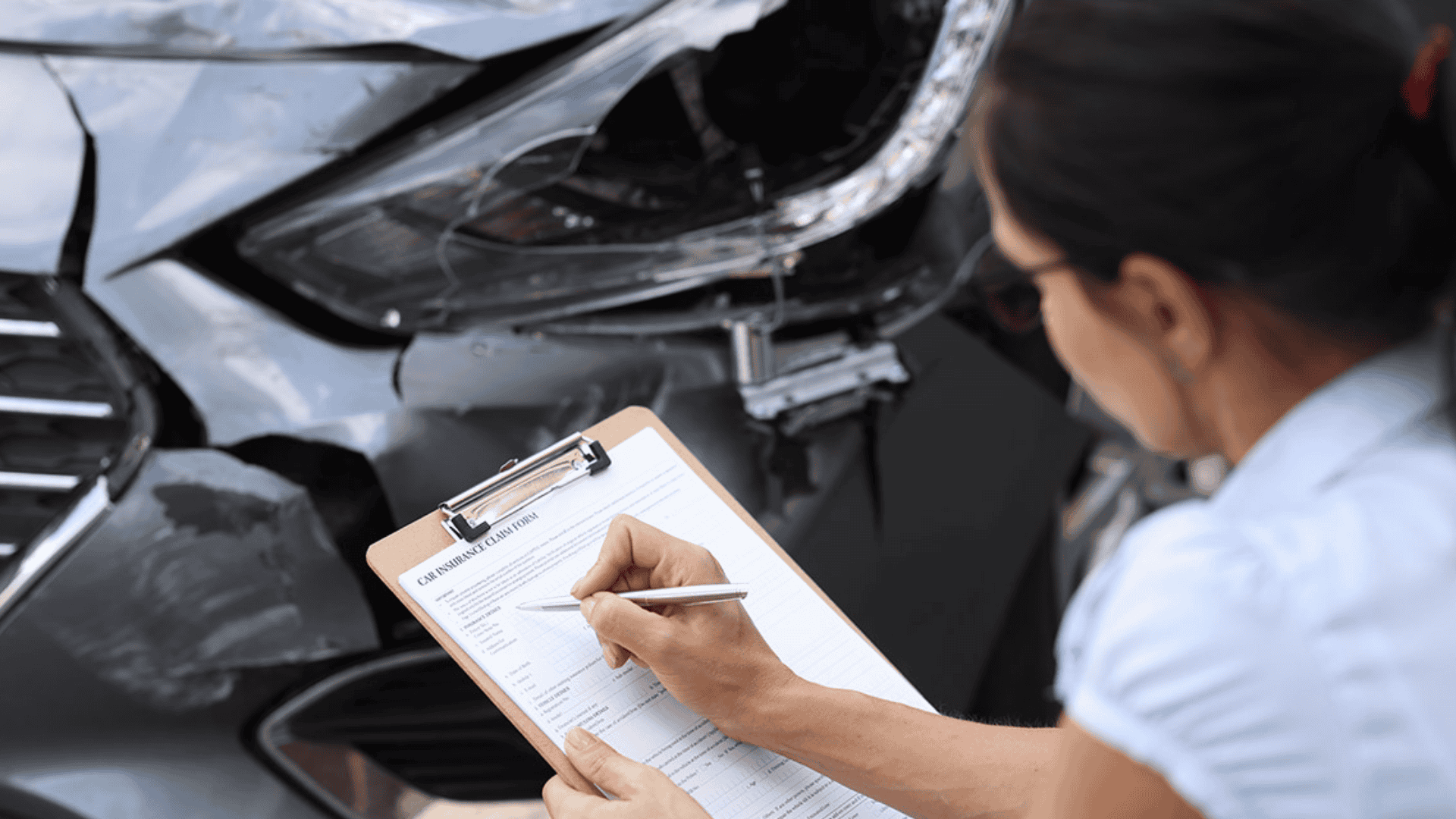
Being in a collision is stressful, no matter how minor it seems. Once the adrenaline wears off and you've exchanged insurance information, it's tempting to take a quick look at your bumper, decide the damage "isn't that bad," and move on with your day. But what you can see on the surface of your vehicle after a collision damage inspection is rarely the whole story. Beneath the crumpled metal and scuffed paint, your car may be carrying injuries you simply cannot see without the right training, tools, and a thorough professional auto body assessment.
The Problem With "It Looks Fine"
The human eye is surprisingly bad at detecting hidden auto damage. A bumper that appears intact may be concealing a cracked reinforcement beam underneath. A door that opens and closes normally may be hiding structural stress to the frame behind it. And a vehicle that drives smoothly on the way home from an accident scene may still be carrying damage that will become dangerous or costly weeks down the road.
This is one of the most important reasons why relying on a visual check of your own vehicle after a collision simply is not enough. Modern vehicles are engineered with complex systems that absorb and distribute impact energy across the entire body structure. That engineering, while brilliant for crash protection, also means that damage does not always stay where the impact occurred.
Why Damage Travels
When a vehicle absorbs a collision impact, the energy has to go somewhere. Vehicle frames and body panels are designed to redirect that force in ways that protect passengers, but that redirection can leave stress, bending, and damage in places far from the point of contact. A rear impact, for instance, can transmit force forward through the vehicle's unibody or frame structure, affecting components well beyond the back bumper.
Some of the most common types of hidden auto damage that professional inspectors look for include:
- Structural frame misalignment that affects how the vehicle handles and how well it protects occupants in a future collision
- Damage to body panels and fenders not visible from the outside due to interior bracing absorbing the blow
- Compromised bumper components, including reinforcement bars and energy-absorbing foam beneath the cover
- Hidden damage to the vehicle's body and fender areas from side impacts or glancing blows
- Windshield stress fractures that may not be immediately obvious but can grow into full cracks over time
Each of these issues has real safety implications that go well beyond aesthetics.
What a Professional Auto Body Assessment Actually Involves
A trained auto body technician brings far more to a post-collision inspection than a general visual scan. At a qualified shop, the process of evaluating your vehicle after a collision is methodical and comprehensive. The goal is not just to fix what is obviously broken, but to find everything that the impact may have affected, including the damage hiding beneath the surface. Read our blog about what to expect during the collision repair process.
At First Aid Collision, the team works through a detailed evaluation process after any collision. As the shop notes directly, it is common to have damage behind what is visible that can also affect how your vehicle drives, and their technicians check for all of it, thoroughly. That kind of careful, complete inspection is what separates a quality professional auto body assessment from a superficial once-over.
Here is a general picture of what a thorough post-collision inspection at a professional body shop typically involves:
- A detailed visual inspection of all body panels, bumpers, fenders, and structural components
- Assessment of the vehicle's frame and structural alignment
- Examination of areas adjacent to and behind the point of impact
- Evaluation of the bumper system, including components beneath the exterior cover
- Review of windshield and glass integrity
- Documentation of all damage found, both visible and hidden
This process is how professionals catch the problems that vehicle owners routinely miss, and it is also the foundation for working accurately with your insurance company on a repair claim.
We repair all kinds of cars, including luxury cars. Read our blog about finding the right shop for luxury car repair here.
Why Hidden Damage Is a Safety Issue, Not Just a Cosmetic One
It would be easy to think of post-collision body damage primarily as a cosmetic concern, something that affects your car's appearance and resale value but not necessarily your safety. That thinking, unfortunately, can lead people into serious danger.
Your vehicle's body structure plays a critical role in protecting you during a collision. The way panels, beams, and frame components are engineered together creates a protective zone around passengers. When hidden auto damage goes unaddressed, that protective structure is weakened. A vehicle that has absorbed one impact without proper repair may not protect its occupants as intended in a second collision, even a minor one.
Beyond structural concerns, there are other ways that unaddressed collision damage can create ongoing problems:
- Body panels and fenders that are misaligned or subtly damaged can develop gaps where water intrudes, leading to larger issues over time
- Windshield damage, even small stress points from an impact, can compromise the integrity of the glass and affect how it behaves under pressure
- Bumper systems that appear intact but have damaged internal components no longer absorb impact energy the way they were designed to
None of these are visible to the untrained eye. All of them matter for your safety on the road.
The I-CAR Gold Standard and Why Certification Matters
Not all auto body shops are equally equipped to identify and address hidden collision damage. When choosing where to take your vehicle for a professional auto body assessment, the training and certification level of the technicians doing the work makes a genuine difference.
First Aid Collision holds I-CAR Gold Class certification, which is one of the most respected credentials in the collision repair industry. I-CAR, which stands for Inter-Industry Conference on Auto Collision Repair, provides rigorous training and ongoing education for auto body professionals. The Gold Class designation means that technicians are keeping current with the latest repair methods, materials, and vehicle technologies.
This matters especially in the context of hidden damage. As vehicles evolve with new materials, construction methods, and safety systems, the techniques for properly inspecting and repairing them evolve as well. I-CAR Gold certified technicians are trained to work with modern vehicle structures in ways that preserve the safety engineering built into your car from the factory.
After Even a Minor Collision: The Case for Getting It Checked
One of the most common scenarios that leads to undetected hidden auto damage is the minor fender bender. You bump a parking lot barrier at low speed. Someone taps your rear bumper in stop-and-go traffic. Your car takes a glancing blow in a tight alley. These incidents feel minor, and the visible damage often looks minor. But "minor" collisions produce collision energy, and that energy still travels through your vehicle's structure.
The smartest approach after any collision, regardless of how small it seems, is to have a qualified professional take a look. A few reasons this is especially worth doing:
- You protect your safety by catching structural concerns before they matter in a second incident
- You establish an accurate damage record, which is important if you work with insurance on the repair
- You avoid the scenario where minor damage worsens over time and becomes a much larger and more expensive problem
- You get peace of mind that your vehicle is road-ready and performing as it was designed to
First Aid Collision offers free estimates, which means there is no financial barrier to simply having your vehicle looked at by experienced professionals after a collision. Walk-in customers are always welcome at any of the three locations in Arden, Hendersonville, and Brevard.
Working With Insurance After a Collision
One area where a professional collision damage inspection proves especially valuable is the insurance process. Documenting damage thoroughly and accurately is essential to getting a fair claim outcome, and hidden auto damage that is discovered after an initial estimate has been closed can create complications.
When you bring your vehicle to a qualified body shop right away, the professional assessment becomes part of your insurance documentation from the start. First Aid Collision works directly with insurance adjusters to get repairs authorized, handling the communication on your behalf and keeping all parties informed. That process works most smoothly when the full scope of damage, including everything hidden, is identified at the outset.
Frequently Asked Questions
How soon after a collision should I get a professional inspection?
As soon as possible is the best answer. Even if the damage appears minor, getting a professional auto body assessment right away gives you the most accurate picture of what your vehicle sustained. It also supports the insurance process if you plan to file a claim.
Can I just take photos and have someone assess the damage remotely?
Photos can document visible surface damage, but they cannot capture hidden auto damage to structural components, internal bumper systems, or frame alignment. A proper collision damage inspection requires hands-on evaluation by trained technicians with the right tools and experience.
Will my insurance cover hidden damage discovered after the initial inspection?
In most cases, if hidden damage is found during the repair process at a qualified body shop, a supplement can be submitted to your insurance carrier. First Aid Collision works directly with insurance adjusters and handles this communication on your behalf.
Does First Aid Collision handle insurance claims?
Yes. First Aid Collision works directly with your insurance adjuster to get repairs authorized and to keep communication clear throughout the process. Their team includes experienced insurance estimators who can guide you through the claim process.
What services does First Aid Collision provide for collision repair?
First Aid Collision is a full-service auto body shop offering collision repair, auto body repair, body and fender repairs, bumper and bumper repair, dent repair and scratch removal, hail damage repair, and windshield replacement. All three locations in Arden, Hendersonville, and Brevard serve the Western North Carolina region.
Is there a warranty on repairs at First Aid Collision?
Yes. First Aid Collision stands behind its work with a lifetime warranty on paint and a manufacturer's warranty on parts.
Don't Let Hidden Damage Become a Bigger Problem
A collision, even a small one, is your vehicle telling you that something happened. The wisest thing you can do is listen, and get a qualified professional to tell you the full story. Hidden auto damage is real, it is common, and it is exactly the kind of thing that I-CAR Gold certified technicians are trained to find and address.
At First Aid Collision, the commitment is to check for everything, not just the obvious. With three convenient locations in Arden, Hendersonville, and Brevard, Western North Carolina drivers have access to thorough, professional collision damage inspection and repair from a team that takes your safety seriously. Contact us today to get the complete picture of what your vehicle needs to get back on the road safely and confidently.