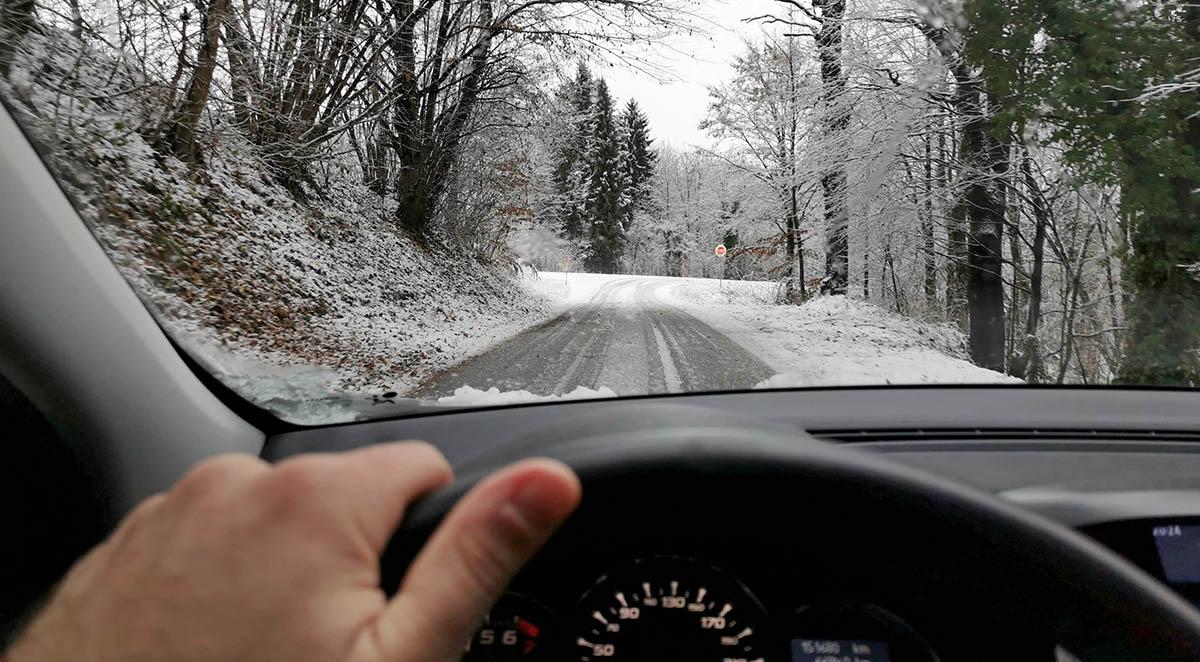
Winter in Western North Carolina brings stunning mountain vistas dusted with snow, but it also introduces challenging driving conditions that can lead to serious collisions. From icy mountain roads to sudden temperature drops, drivers in Asheville, Hendersonville, and Brevard face unique winter hazards that demand careful preparation and defensive driving skills.
Understanding Winter Road Conditions in WNC
Western North Carolina's mountainous terrain creates particularly treacherous winter driving conditions. Elevations in our region vary dramatically, meaning temperatures and road conditions can change rapidly within just a few miles of travel. What might be a clear road in downtown Asheville can quickly become an icy pathway as you climb into higher elevations.
The combination of moisture from our proximity to both the mountains and lower elevations creates perfect conditions for black ice—one of the most dangerous winter road hazards. Black ice forms when temperatures hover around freezing, creating an invisible layer of ice on the road surface that gives drivers virtually no warning before losing control.
Mountain roads in areas around Brevard and Hendersonville present additional challenges during winter months. Steep grades become extremely hazardous when covered with ice or snow, and shaded areas may remain frozen long after sunny sections have thawed. According to First Aid Collision's service records, winter months consistently bring an uptick in collision-related repairs throughout Buncombe County and the surrounding areas.
Common Types of Winter Collisions
Winter weather conditions lead to several specific types of collisions that body shops across the region see regularly throughout the season.
Rear-End Collisions
Rear-end collisions become far more common in winter because stopping distances increase dramatically on slippery surfaces. When drivers fail to adjust their following distance for icy conditions, they often cannot stop in time when the vehicle ahead brakes suddenly. These collisions cause significant damage to bumpers and fenders that require specialized auto body repair.
The damage from rear-end winter collisions often extends beyond what's immediately visible. Impact forces can affect alignment, suspension components, and body panels that may not show obvious damage at first glance.
Single-Vehicle Accidents
Loss of control on ice or snow frequently results in single-vehicle accidents where drivers slide off the road, strike guardrails, or collide with trees or other stationary objects. These accidents often cause extensive damage requiring comprehensive collision repair services, including body rebuilding, dent repair, and paint matching.
Single-vehicle winter accidents in mountainous areas can be particularly severe due to steep embankments and limited guardrail protection on some rural roads.
Intersection Collisions
Intersections become particularly hazardous in winter because vehicles approaching from different directions may be unable to stop properly. Even when drivers attempt to brake, their vehicles may slide through stop signs or traffic lights on ice, leading to serious angle collisions that require extensive auto body repair work.
Read our ultimate guide to auto body work following a collision.
Essential Winter Driving Safety Tips
Protecting yourself and your vehicle during winter months requires both preparation and smart driving practices.
Vehicle Preparation
Before winter weather arrives, take these important steps:
- Check your tires: Ensure adequate tread depth (at least 4/32 of an inch) and proper inflation. Consider winter tires if you frequently drive in mountainous areas.
- Test your battery: Cold weather reduces battery capacity. Have your battery tested and replaced if it's more than three years old.
- Inspect windshield wipers: Replace worn blades and fill your washer reservoir with winter-grade fluid. If your windshield has chips or cracks, address these before winter—temperature changes can cause them to spread rapidly.
- Verify heating and defrosting systems: Ensure proper function to maintain visibility.
- Check all lights: Winter often means driving in darkness or reduced visibility, making functioning headlights, taillights, and turn signals critical for safety.
Driving Techniques for Winter Conditions
Once your vehicle is prepared, employ these driving techniques:
Reduce Your Speed
The single most important winter driving adjustment is reducing your speed. Even if posted speed limits remain unchanged, slow down significantly when roads are wet, icy, or snow-covered. On Western North Carolina's mountain roads, this becomes even more critical. What seems manageable on flat terrain can be dangerously fast on winding mountain highways with steep drop-offs.
Increase Following Distance
Expand the space between your vehicle and the one ahead. While the standard recommendation is three seconds in good conditions, increase this to at least eight to ten seconds on slippery winter roads. This extra space gives you crucial additional time to react and stop safely.
Brake Gently and Early
Begin braking much earlier than usual when approaching stops. Apply steady, gentle pressure rather than sudden, hard braking that can cause your wheels to lock. If your vehicle has anti-lock brakes (ABS), press firmly and steadily while the system does its work—don't pump the brakes.
Accelerate Gradually
When starting from a stop, apply the gas slowly and steadily. Rapid acceleration causes your wheels to spin, which reduces traction and can cause you to lose control. This gentle approach is especially important when starting on an incline, common throughout the Asheville area.
Avoid Sudden Movements
Make all steering, braking, and acceleration movements smoothly and gradually. Sudden inputs can break the connection between your tires and the slippery road surface, causing dangerous slides or spins.
We offer a list of collision prevention tips here.
Recognizing and Navigating Hazardous Conditions
Learning to identify dangerous winter road conditions before they cause problems is critical.
Black Ice Awareness
Black ice typically forms:
- On bridges and overpasses, which freeze before regular road surfaces
- In shaded areas where sunlight doesn't reach
- During early morning and late evening hours when temperatures drop
- After winter storms when melting snow refreezes overnight
Warning signs of black ice include:
- Slight changes in road surface appearance or sheen
- Other vehicles suddenly sliding or losing control
- Temperature gauges showing readings near or below 32°F
- Reduced spray from other vehicles' tires (wet roads create spray; ice does not)
If you encounter black ice, avoid sudden braking or steering. Instead, take your foot off the accelerator and steer gently in the direction you want to go, allowing the vehicle to slow naturally.
Handling Steep Mountain Roads
The roads connecting Asheville, Hendersonville, and Brevard include numerous steep grades and sharp curves that become treacherous in winter conditions.
When descending steep grades: Shift to a lower gear before beginning your descent. This allows engine braking to help control your speed without relying solely on your brakes, which can overheat or lock up on extended downhill stretches.
When climbing hills: Maintain steady momentum by starting your ascent with adequate speed (without going too fast). Avoid stopping on steep inclines if possible, as regaining traction from a stopped position on a snowy or icy slope is extremely difficult.
Winter Storm Driving
When winter storms hit Western North Carolina, conditions can deteriorate rapidly. If you must drive during a storm:
- Turn on your headlights (even during daytime) to increase visibility
- Keep your gas tank at least half full in case you become stranded
- Stay on main roads that are more likely to be treated and plowed
- If visibility becomes severely limited, pull off the road in a safe location and wait for conditions to improve
Planning Your Winter Travel
Smart planning can help you avoid the worst winter driving conditions altogether.
Monitor Weather Forecasts
Before traveling, check weather conditions not just at your starting point and destination, but along your entire route. Mountain weather can vary dramatically from valley conditions. Western North Carolina's elevation changes mean that conditions in downtown Asheville may be completely different from what you'll encounter on the drive to Brevard or Hendersonville.
Time Your Trips Wisely
When possible, avoid driving during:
- Early morning hours when ice is most likely
- During active winter storms
- Late at night when temperatures drop and black ice forms
- During rush hour when roads are most congested
If you must travel during potentially hazardous times, allow extra time for slower speeds and potential delays.
Have an Emergency Kit
Keep these items in your vehicle throughout winter:
- Blankets or sleeping bags
- Flashlight with extra batteries
- First aid kit
- Jumper cables
- Ice scraper and snow brush
- Small shovel
- Sand or cat litter for traction
- Non-perishable snacks and water
- Phone charger
- Emergency contact numbers
Frequently Asked Questions
How much does winter collision repair typically cost?
The cost varies significantly based on the extent of damage. Minor dent repair and scratch removal may cost a few hundred dollars, while extensive collision damage requiring body rebuilding and comprehensive paint services can run several thousand dollars. First Aid Collision provides detailed estimates and works directly with insurance companies to help manage costs.
How long will my vehicle be in the shop after a winter collision?
Repair timelines depend on damage severity and parts availability. Minor repairs like small dents or bumper work may take just a few days, while major collision damage can take several weeks. First Aid Collision provides estimated completion times during the estimate process and keeps customers updated if timelines change.
Will my insurance cover winter collision repairs?
Most collision coverage policies cover winter accident damage, but coverage depends on your specific policy and circumstances. First Aid Collision works directly with insurance adjusters to streamline the authorization process and help ensure repairs are covered appropriately.
Read our blog about car insurance after an accident.
Should I repair minor winter damage or is it okay to wait?
Even minor damage should be addressed promptly. Small dents, scratches, and paint chips can expose metal to moisture and road salt, leading to rust development that creates much more expensive problems later. Addressing minor damage quickly preserves your vehicle's value and prevents deterioration.
What should I look for when choosing a collision repair shop after a winter accident?
Look for shops with proper certifications like I-CAR Gold, which indicates ongoing technician training and commitment to industry standards. Choose facilities that offer warranties on their work, use high-quality materials, and have positive customer reviews.
Do I need to use the body shop my insurance company recommends?
No. North Carolina's anti-steering laws protect your right to choose any licensed repair facility you prefer. Insurance companies cannot require you to use their preferred shops or deny claims based on your shop choice.
Conclusion
Winter driving in Western North Carolina demands respect for changing conditions, proper vehicle preparation, and defensive driving skills. By understanding the unique challenges our mountainous terrain presents and adjusting your driving techniques for winter conditions, you can significantly reduce your risk during these challenging months.
The team's I-CAR Gold certified technicians understand the properties and repair requirements of each material used in modern vehicles: provide expert auto body repair, collision repair, bumper repair, dent repair and scratch removal, body and fender repairs, windshield replacement, and professional paint services. Every repair is backed by a lifetime warranty on paint and manufacturer's warranties on parts.
Stay safe this winter, adjust your driving for the conditions, and remember that First Aid Collision is ready to help if you need professional winter collision repair services. Contact us for a free estimate on any auto body needs.